
How to use salt: A guide for the home cook
Salt is found in almost every recipe, yet it can be a bit of a mystery. Food needs it, but sometimes it becomes a guessing game in the kitchen. Should I add it now? Is it enough? Did I add too much? This post is all about salt and a simple guide for home cooks. In this guide, you will learn what kind of salt to use, when to add it, how much to use, and how to avoid common mistakes. Learning to use salt effectively will make a difference in your daily cooking. In an excellent way.
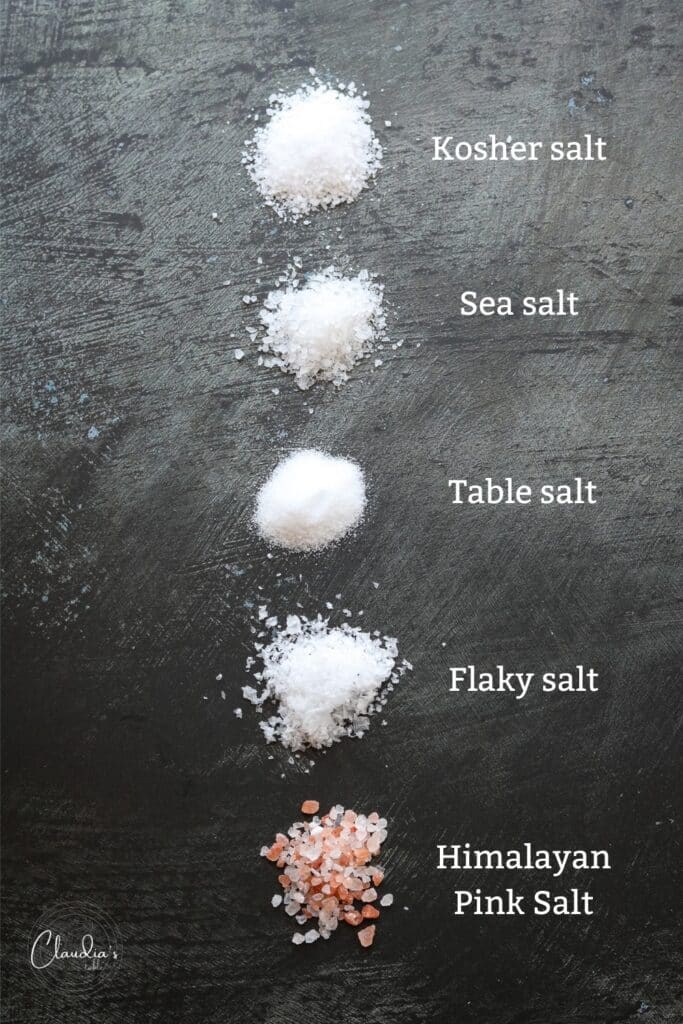
In my early years, when I seriously started cooking, I thought there was only one kind of salt: table salt. I had no idea there were so many types of salts. These days, salts from all over the world are easy to find, which makes playing around with different textures way more fun and tasty!
Why salt matters in cooking
Salt is not just for seasoning; it helps optimize the flavors in the food. In simple terms, it makes food taste more like itself. So, what does salt actually do?
- Salt enhances flavor by activating your taste buds.
- Balances the flavors: sweet vs acid. Think salad dressing recipes.
- Draws out moisture, which helps with tenderizing proteins and aiding with crisping.
- It helps brown food through the Maillard reaction when searing meats and roasting vegetables. Think roasted coffee, charred meats, and browned bread.
Often, we cook a recipe and it tastes like something is missing. Typically, it’s missing salt because it enhances the recipe as a whole. One of my favorite cookbooks is Salt, Fat, Acid, and Heat by Samin Nosrat. The very first section is about salt. I highly recommend this book if you are a novice in the kitchen or even an experienced cook. It’s a fantastic reference book, guide, and teacher.

Types of Salt and when to use them
Not all salts are created equal. Each has its place in the cooking process. Here’s a quick overview of the most commonly used kitchen salts.
- Kosher salt
- This is an excellent all-purpose cooking salt. The two most popular Kosher brands are Diamond and Morton. I use Morton brand Kosher salt because it’s easy to find. The volume of the two salts varies. Due to the size of the crystals, every teaspoon of Morton Kosher salt equals two teaspoons of Diamond Kosher salt.
- Sea salt
- This salt is typically larger crystals with a milder, mineral-rich flavor. Think Maldon salt flakes. Sea salt retains some naturally occurring calcium, potassium, and magnesium.
- I use it to finish some recipes, like my Simple Blood Orange Salad, which is perfectly enhanced with some flaky sea salt. However, it can be used in recipes like any other salt. Sea salt is also awesome in baking recipes, like my Chocolate Coconut Cookies or chocolate candies.
- Table salt
- Table salt is typically fortified with Iodine.
- It’s a super fine and compact, and should be used carefully.
- Recommended for baking.
- Himalayan pink salt
- Visually appealing and can be used like sea salt and table salt.
- Overall, it contains more trace minerals
How much salt should you use?
Just like learning to cook a recipe, you learn to use salt. A good example is adding salt to water when cooking pasta. Initially, I would use a sprinkle of table salt. Once I started using Kosher salt, I was a bit more aggressive. Now, I use two generous pinches of salt for my pasta water. And guess what? My pasta dishes taste better because of it.
Another good example is recipes cooked in stages: Mushroom fajitas is a good case study. I start by seasoning the mushrooms with a rub that includes salt. Once they are cooked, I remove them to cook the peppers and onions. I not only add a little more oil, but once the peppers and onion mixture hits the oil, I add kosher salt. I add the mushrooms back into the skillet, taste for salt, and adjust as needed. I make Chipotle Crema, which has salt in the recipe. You can see where I’m going with this. Each layer has an element of salt. I recommend cooking with Kosher salt as it’s more forgiving than table salt. I also recommend using the same salt brand for seasoning all your recipes. This will allow you to “learn” how to use and adjust salt in your recipes.
Rule of thumb: salt as you go with small amounts, building the flavor on the dish.
Ingredients with salt
You should be mindful of adding salt when using recipes that include prepackaged ingredients like chicken broth and canned tomatoes. And what I mean by that is to use less salt; you can always add more. My recipes account for the salt content of prepared ingredients, and of course, I always use Morton’s Kosher salt. For my Quick and Easy Weeknight Pasta Sauce, I recommend using imported tomatoes that naturally have much less sodium than American tomatoes. Any soup recipe that includes chicken broth will also vary in the salt that is added in the final stages.
Quick examples
- Pasta: Salt the water generously.
- Vegetables: Toss with salt and olive oil and roast.
- Beef: Salt 30 minutes before cooking. This will not only season the meat but also tenderize it.
- Chicken: as much as a day in advance; this is dry brining
- Salad: Add a little salt to your salad greens (restaurants do this)
- Eggs: Salt before scrambling for flavor and texture.
- Soup: Add in early in the recipe, taste as you go, and at the end.
- A little pinch of salt is needed while cooking breakfast foods such as oatmeal. This enhances the flavor of the oatmeal.
Tried and true tips
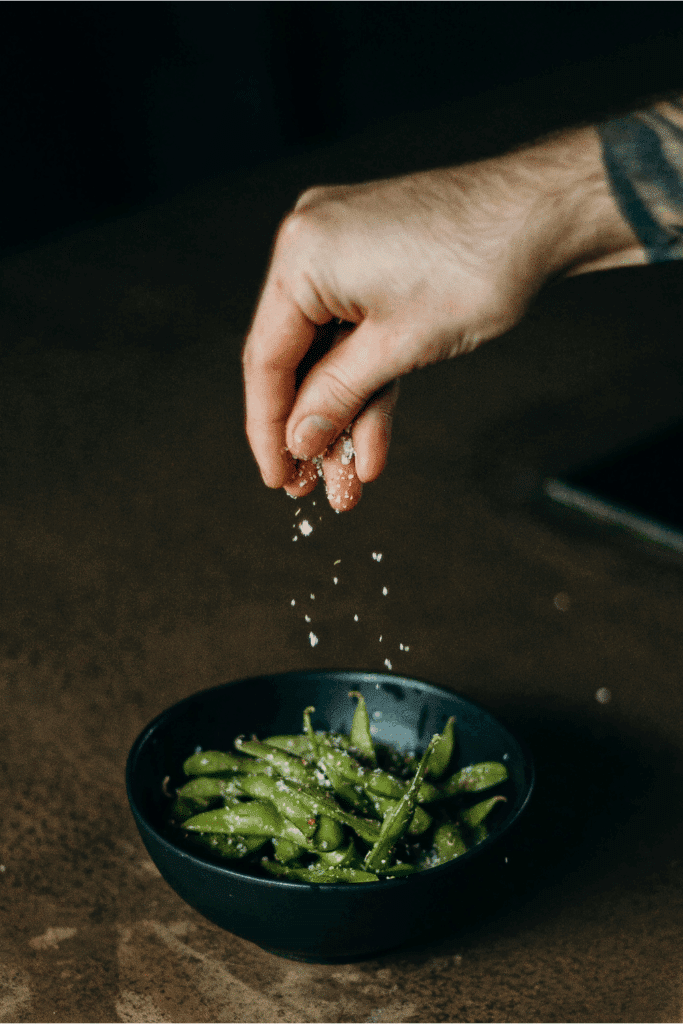
- Use your fingers to sprinkle salt for better control.
- Taste as you go.
- Make salt your BFF.
- For taste, texture, and visual appeal, experiment with finishing salts.
Salting food brings out the delicious flavors of your food. It’s a learning curve, but once you master the basics, you will become more confident in your recipes.